London, with its dense heartbeat of culture, weathered stones, and ceaseless activity, presents a uniquely challenging sleep environment. Noise, air quality, and indoor climate all shape how a mattress performs night after night. This guide aims to demystify organic mattress options, balancing comfort with transparency—so readers in London and beyond can make informed decisions that honor health, ecology, and long-term value.
At the core of this discussion is the concept of “organic” in mattresses: how materials are grown, processed, and assembled, and how third-party certifications verify those claims. Organic latex, natural wool, cotton fabrics, and other natural components offer a distinct path to comfort, breathability, and durability. Yet not all products labeled organic meet the same standards, which is why certification matters. The following sections illuminate what to look for, how to read labels, and how to translate those details into real-world sleep in a city that never truly sleeps.
What Qualifies as Organic in Mattresses?
Organic in the mattress realm generally applies to the materials used in the core and the cover. Organic latex, for example, is produced from rubber trees without synthetic pesticides or fertilizers, and typically undergoes fewer chemical processes than conventional foams. Wool and cotton can be certified as organic when grown and processed in adherence to strict agricultural standards. The goal is a product with lower environmental impact, fewer residual chemicals, and a healthier sleeping surface.
But organic labels can be slippery if not backed by credible third-party verification. That is where certifications come into play. They function as independent attestations of what a mattress contains, how it is produced, and what it avoids. For consumers, understanding these certifications is as essential as understanding firmness ratings or the feel of a pillow-top surface.
Key Certifications: What Each One Means
- GOTS (Global Organic Textile Standard) – The gold standard for organic textiles, including cotton and wool fabrics used in mattress covers and components. GOTS certification covers both the organic material content and the processing steps, ensuring high environmental and social criteria.
- GOLS (Global Organic Latex Standard) – The go-to certification for organic latex. It assesses the raw material’s organic source, the manufacturing process, and the absence of harmful emissions. GOLS helps ensure that latex components meet robust organic criteria.
- OEKO-TEX – A broad testing system that verifies textiles are free from certain harmful substances. While not exclusively organic, OEKO-TEX certification can accompany organic materials to guarantee chemical safety across the product.
- CertiPUR-US – Often associated with polyurethane foams, this certification tests for formaldehyde, phthalates, and other potentially harmful substances. If a mattress contains any foam, CertiPUR-US can indicate a safer foam option.
- Greenguard – Focused on low chemical emissions,Greenguard certification is valuable for urban bedrooms where air quality matters. It can accompany other organic certifications to certify a healthier indoor environment.
For urban sleepers in London, where climate control and insulation vary, a combination of certifications is often the best guardrail for ensuring you’re getting what you pay for. When shopping, procure a clear materials breakdown and certified documentation from brands you trust, and don’t hesitate to request full test reports or supplier declarations if they are not readily offered.
London-Specific Considerations: Climate, Noise, and Sleep Quality
London’s climate is temperate, with damp winters and relatively mild summers. The way a mattress manages temperature and moisture—driven by layers of wool, cotton, linen, latex, or other natural materials—can influence nightly comfort. Wool, for instance, is celebrated for its humidity regulation properties, helping to keep a surface dry and comfortable in varying conditions. Linen and cotton offer breathability and a cooler feel, which can be beneficial during warmer periods or crowded, energy-efficient urban dwellings where air conditioning is less prevalent.
Urban noise and light pollution are realities of London life. A well-chosen mattress is a foundation for resilience against waking moments caused by room temperature shifts or discomfort from less-than-ideal surfaces. Organic mattresses paired with breathable, natural bedding can create a microclimate that moderates temperature swings, enabling more consistent sleep in the city’s ever-changing rhythm.
A Practical Buying Checklist for London Readers
- Assess your sleep position and firmness preference: Side sleepers often benefit from a medium to soft feel, while back and stomach sleepers may require firmer support to maintain spinal alignment.
- Prioritize organic materials with credible certifications: Seek a clear materials list and third-party verifications (GOTS, GOLS, OEKO-TEX, etc.).
- Consider climate-responsive layers: Wool for moisture management, natural latex for durable support, and breathable cotton or linen covers for airflow.
- Check for trial periods and returns: Urban consumers should ensure a reasonable trial window and straightforward return policies in case comfort doesn’t meet expectations.
- Evaluate bedding compatibility: Pair the mattress with appropriate organic sheets, duvets, and pillow configurations to optimize sleep surface and temperature control.
Three Key Figures: Voices Across Time
Sleep and bed design are not only about products; they are about people who shaped our understanding of rest. The following brief sketches introduce three figures from different time periods whose ideas echo in today’s organic mattress conversations.
Sir Thomas Morton (17th–18th century, England):
As an early observer of how homemaking practices influence health, Morton’s writings on household comfort emphasized the importance of a well-made bed and clean sleeping spaces. While not about organic materials per se, his legacy underscores a cautious approach to the materials and environments that shape sleep, a thread that runs through modern organic mattress advocacy.
Isabella M. Hartley (19th century, Victorian London):
A scholar of urban living, Hartley documented how sleep quality correlated with urban noise, light, and household design. Her insights foreshadow current concerns about urban sleep health, reinforcing the need for quiet, climate-controlled bedrooms—concepts that align with choosing organic bedding to foster calmer environments.
Dr. Elena Marchesi (21st century, contemporary sleep science):
A researcher who bridges sleep physiology with consumer products, Marchesi’s work highlights how material science—latex elasticity, wool’s moisture management, and textile certifications—translates into tangible sleep experiences. Her perspective reinforces the central argument of this guide: trustworthy certifications empower readers to select products that support authentic comfort and health.
Product Spotlight: A Centerpiece for London Sleep Rooms
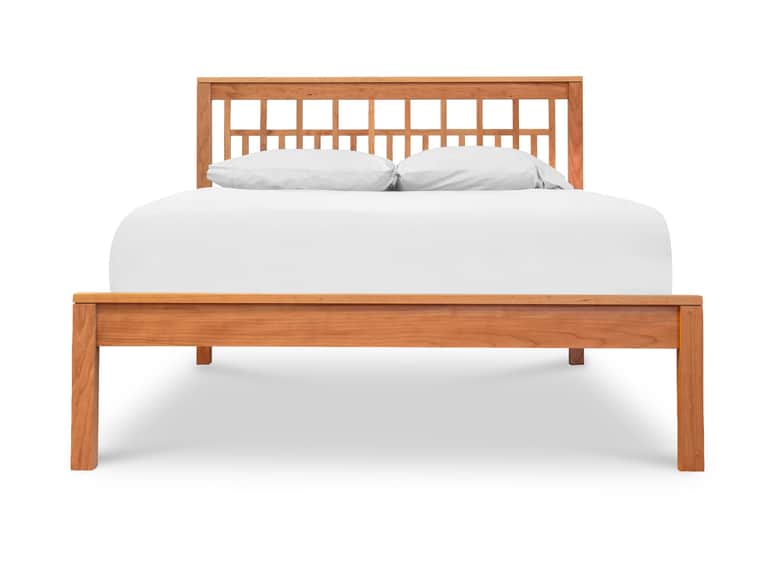
Larssen Bed
Solid hardwood construction with a timeless, one-piece headboard. Handcrafted in Vermont, the Larssen Bed offers a durable platform that anchors a calm, restorative sleep space. Its restrained silhouette pairs well with a range of organic bedding options and mattresses, making it a versatile centerpiece for a sleep-forward London room.
Brand: Vermont Furniture Designs
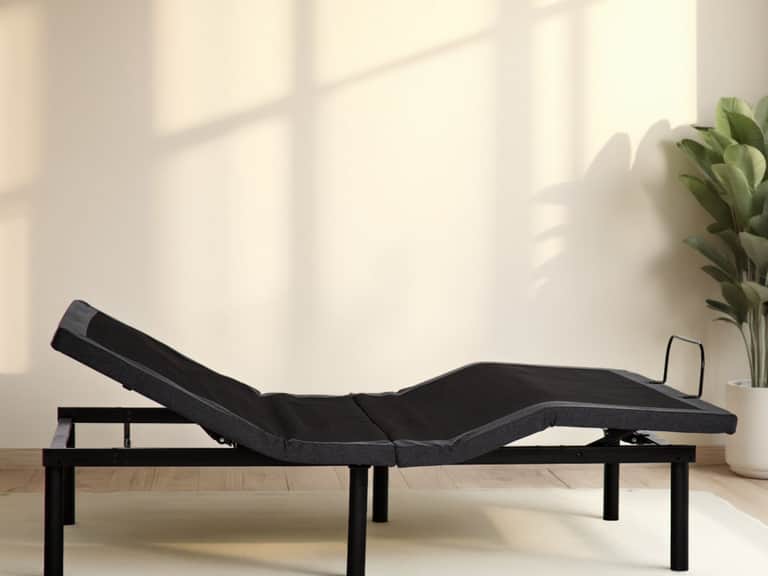
The Clean Bedroom Level 3 Adjustable Bed Base
A modern solution for personalized comfort with independent head and foot lifts, massage options, and adjustable height. This base supports a variety of sleeping positions and complements organic mattresses that prioritize breathability and eco-friendly materials.
Brand: The Clean Bedroom
Putting It All Together: A London-Centered Decision-Making Path
Choosing an organic mattress in a city like London is not merely a purchase; it is a commitment to a healthier sleep ecosystem within an urban landscape. By prioritizing credible certifications, evaluating climate-friendly materials, and aligning product design with personal sleep needs, readers can build a sleeping environment that is comfortable, sustainable, and aligned with a broader ethical framework.
As a closing reflection, the mattress you choose becomes a platform for the city you inhabit: a space for quiet, restoration, and renewal amid London’s vibrant streets. In that sense, an organic mattress is more than a product; it is a lived principle—an invitation to rest well so that you can face each day with clarity, curiosity, and resilience.